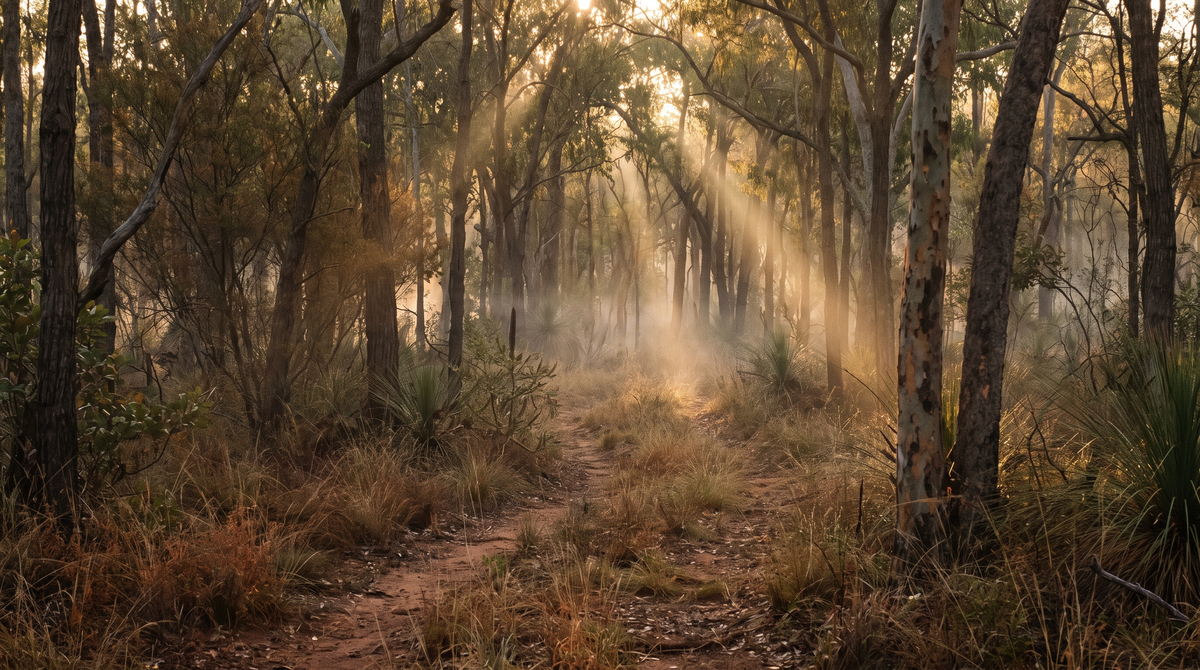
Article: Reading the River — Where Bass Sit When the Flow Slows
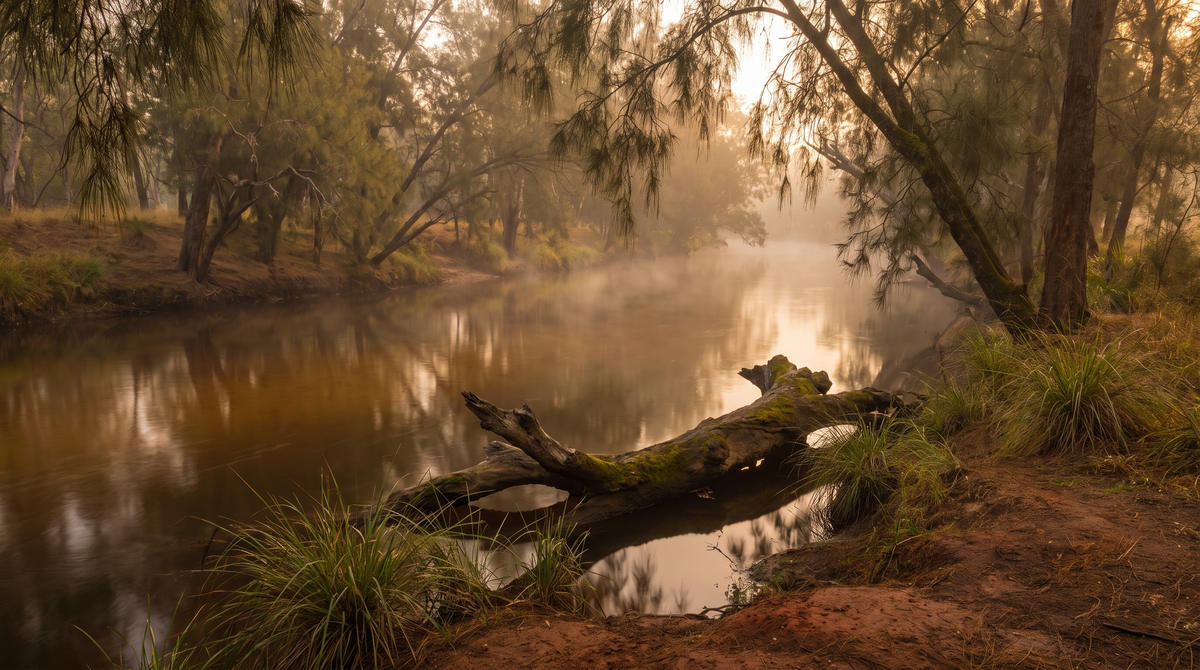
Reading the River — Where Bass Sit When the Flow Slows
Bass fishing is often described as a warm-water game. Long summer evenings, still water, top-water strikes at last light. That's the version most anglers grow up with. It's also the version that makes bass sound easier than they are.
The harder truth is that bass are structure fish. They don't move much. They don't chase far. And when the flow slows down after heavy rain, or when the river drops through a long dry stretch, they get harder to find because they stop being where the noise is and start being where the safety is.
Reading a river for slow-flow bass isn't complicated once you accept that they're doing less work than you are. They want three things: current break, cover, and depth close enough that they can drop out of sight in a single movement. If a spot doesn't offer all three, they're not there.
Start with the outside of every bend. Water bends because it's cutting into the bank, and cutting banks build undercuts. The deeper water sits tight to the bank, the current slows on the inside edge, and any submerged root ball or fallen tree creates a break where a bass can sit facing the slow drift and pick off what comes past.
Fallen timber matters more than most people realise. Not the visible logs on the bank. The submerged ones. Anything that dropped into the water years ago and has been part of the river long enough to hold silt against it is a magnet. Bass hold under it, on the shaded side, close enough to strike anything that drifts within a rod-length.
Weed beds are the third pattern. Not the thick stuff. The edges. Bass sit on the shaded side of a weed line, close to open water, and use the weed as ambush cover. If you can find a weed edge that runs parallel to slightly deeper water, you've found a highway.
The mistake most people make when the flow slows is fishing too fast. Big presentations, quick retrieves, plenty of noise. It works when the water is moving and the fish are opportunistic. It fails when the fish have time to look.
Slow down. Downsize. Use a soft plastic that fishes on the fall, not on the retrieve. Cast tight to structure. Let it sink through the strike zone slowly. Twitch it once or twice, and either the fish commits or it doesn't. If it doesn't, move.
Small changes matter here. A lighter jig head that stalls in the water column. A more subtle profile that doesn't spook a fish that's had time to inspect the offering. A longer leader that keeps the braid out of clear water.
None of this is glamorous. It won't produce twenty fish sessions. It will produce steady bass out of water that looks empty to anyone fishing high-flow patterns in dropping water.
Read the water. Fish the structure. Slow it down.
The fish are there. They're just doing less.
— Bush Range Field Notes