Pigs and Water — When the Country Heats Up
Feral pigs have one non-negotiable in a hot Australian summer, and that's water. Every other pattern they run through the year — feeding routes, bedding country, movement times — bends around it once the temperature climbs and the ground dries out.
Through spring, pigs will still move well through the day and cover country. Once the mercury sits above the mid-thirties consistently, they don't. They orbit water. If you understand which water they're using and when, you already know most of what you need to know.
The first thing that changes is the movement window. Pigs stop being an all-day animal and become an early-dawn and last-light animal. The middle of the day is spent in shade, close to something wet, and often lying flat on their sides to shed heat. In serious summer country, most active hours happen in the two hours after first light and the two hours before dark. If you're walking anywhere else, you're walking to learn the ground.
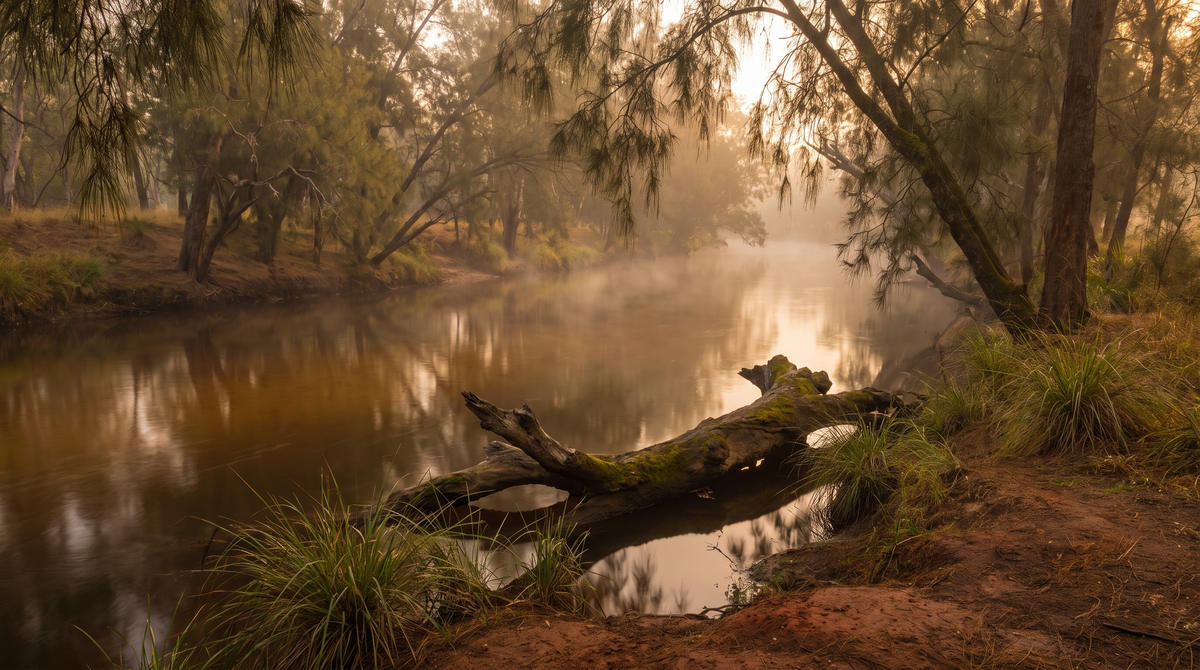
The second thing is where they drink. In a dry summer, the obvious dams and creek pools get hit hard. But mature boars often avoid those, especially the ones with regular pressure from vehicles or dogs. They'll walk further to find quieter water — a leaking trough, a spring seep, the tail end of a chain of drying pools where the last shaded water sits. If you find a small, hidden water source with fresh sign around it, you've found something worth sitting on.
The third thing is wallowing. Once it gets hot, pigs need mud on their hides both for cooling and for parasite control. A fresh wallow tells you two things: they're in the area, and they're active enough in the heat to still be using it. Old wallows dry out and crust over within a day. Fresh ones stay damp in the middle and hold a print you can read.
Wind matters more in summer, not less. Hot air moves. Thermals rise off open country by mid-morning, and any scent you push while walking a ridge line gets carried further and higher than it would in winter. If you're glassing from elevation, glass from where the wind is coming from, not where it's going.
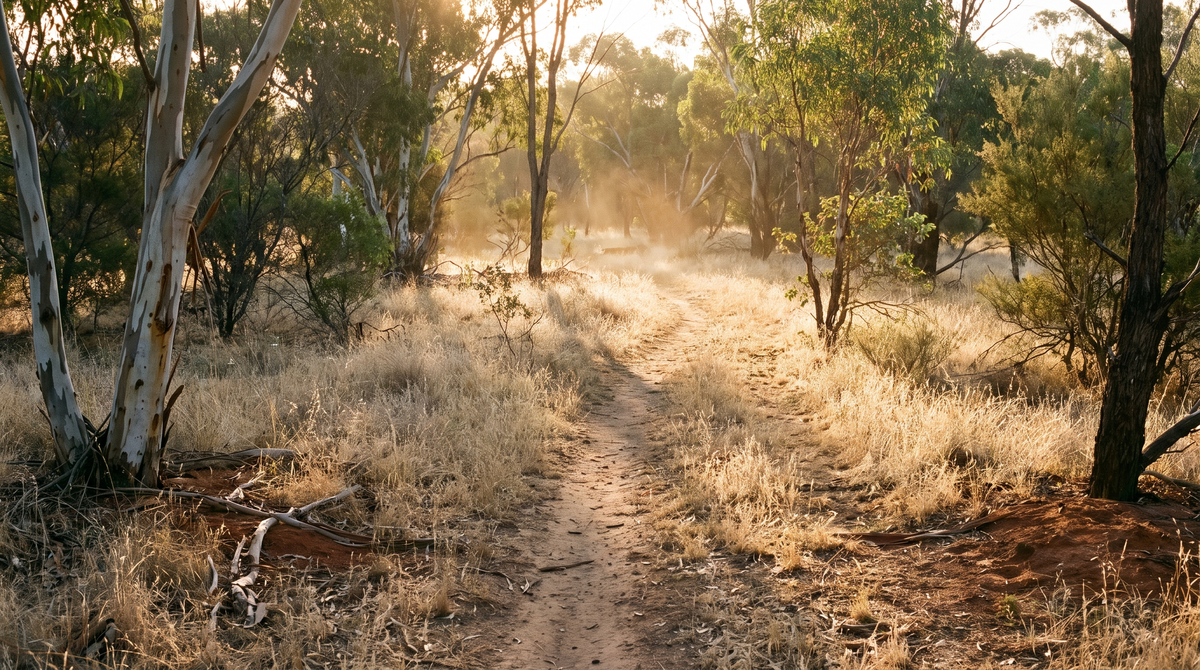
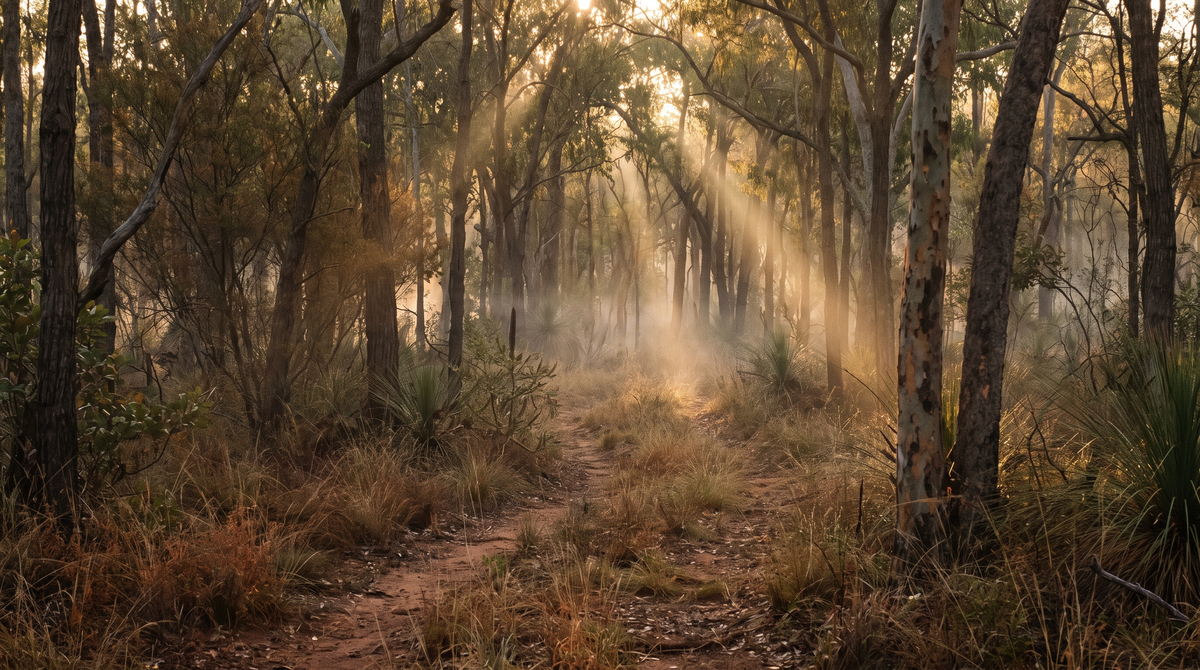
Water and shade sit together in country like this. A stand of tall river red gums along a creek line will hold pigs through the whole heat of the day. Same with dense casuarina thickets close to a soak. If you can find a spot where a shaded bed sits within a few hundred metres of active water, and the wind is coming across it toward you, you don't need to walk further. You need to wait.
None of this changes what pigs are. They're still a hearing-and-nose animal that can move faster than you expect through country you can barely walk in. Summer just narrows their pattern. Instead of scattering through the bush, they become predictable. That predictability is what you use.
Sit on water at first light. Read the wallows. Keep the wind across you. Move only in the cool hours, and rest through the heat like the pigs do.
The country tells you exactly what to do. It just tells you quietly.
— Bush Range Field Stories