Heat, Water, and the First Two Hours
Summer walking country in Australia doesn't reward the strong. It rewards the ones who start early, carry enough water, and know when to stop moving. Everyone learns this eventually. The question is whether you learn it before the country teaches you, or after.
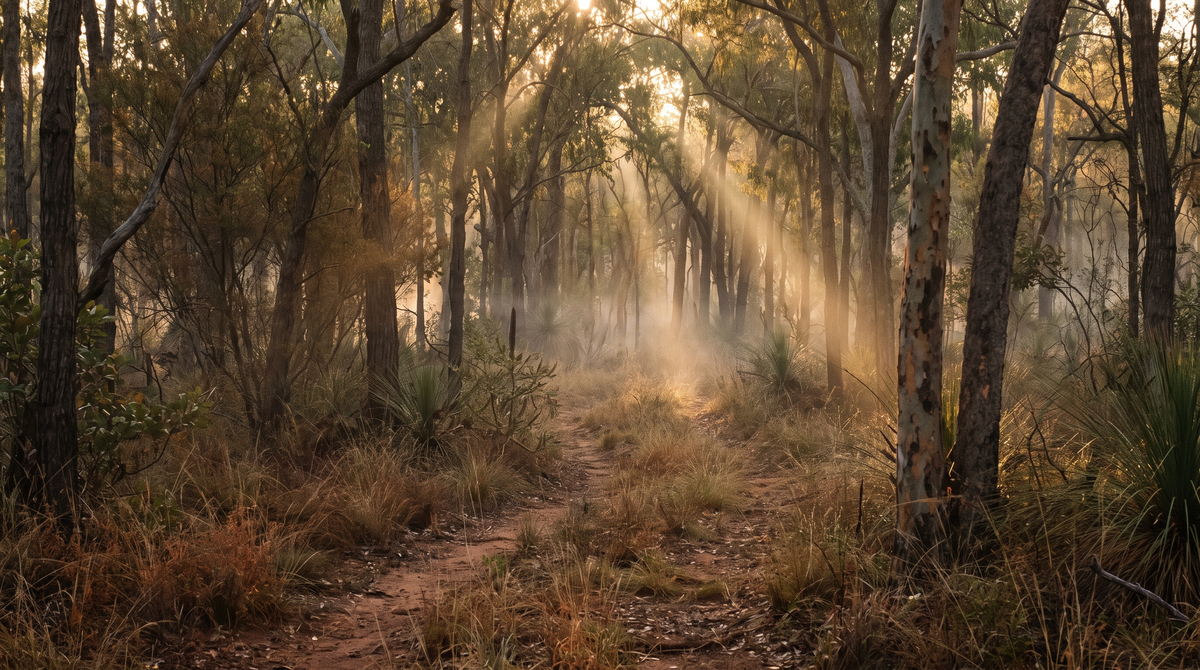
The first two hours of light are the most important of the day. In serious summer country, they're also the only hours where you can move at a sensible pace without paying for it later. Once the sun is properly up and the ground starts giving off its own heat, every kilometre costs you more water, more energy, and more risk. If you plan a day around walking through the middle of it, you plan the day badly.
Start earlier than feels reasonable. Boots on before first light. Pack ready the night before, water topped up, headlamp charged, breakfast eaten in the dark. If you're waiting until you can see clearly before you leave camp, you've already lost the coolest window of the day.
Water is the second thing people underestimate. Not how much they drink, but how much they stop drinking. Cold water carried into a hot day tastes wrong after an hour. Warm water tastes worse. So people sip when they should be drinking, and they dehydrate slowly, and they don't notice until the afternoon when the cramps start or the headache builds. The rule is boring but it holds — drink before you're thirsty, and drink more than you feel like drinking. Electrolytes matter. Plain water alone will strip you out over a long summer day.
Snake awareness is the third thing that changes in summer. Snakes move. The country you walked through in June without a second thought is the same country an eastern brown will now cross at midday. Watch where you put your feet, especially when stepping over logs and rocks where you can't see the far side. Keep to open ground where you can. In grass, walk with your feet in front of you rather than sliding sideways. Most bites happen when someone steps on a snake they didn't see, or when they reach into cover with a hand.
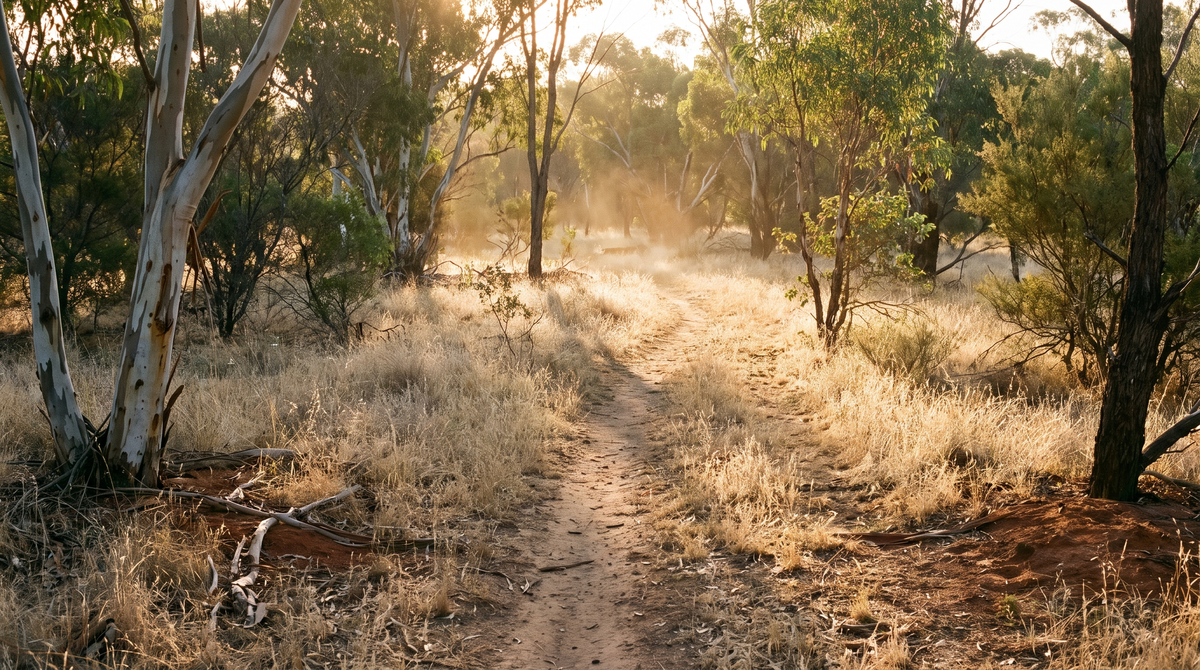
Shade discipline matters. When the temperature climbs past the mid-thirties and the country stops offering breeze, stop walking. Find shade. Wait it out. Most heat casualties happen because someone pushed through the middle of the day to hit a target on a map rather than accepting that the day was against them.
The people who spend serious time in this country during summer run a simple pattern. Walk the first two hours of light. Rest through the heat, in shade, close to water. Move again in the last two hours before dark. Camp early. Sleep well. Start early again.
Nothing about that is heroic. But it's how people who know the summer bush stay in it for weeks at a time without ending up dehydrated or worse.
Start before the sun. Drink before you're thirsty. Watch where you step. Sit down when the heat says sit.
The country isn't hostile. It's just honest.
— Bush Range Field Notes